Astrophotography 101: Capturing the Night Sky
Rahul Krishnan December 10, 2024 2 min read
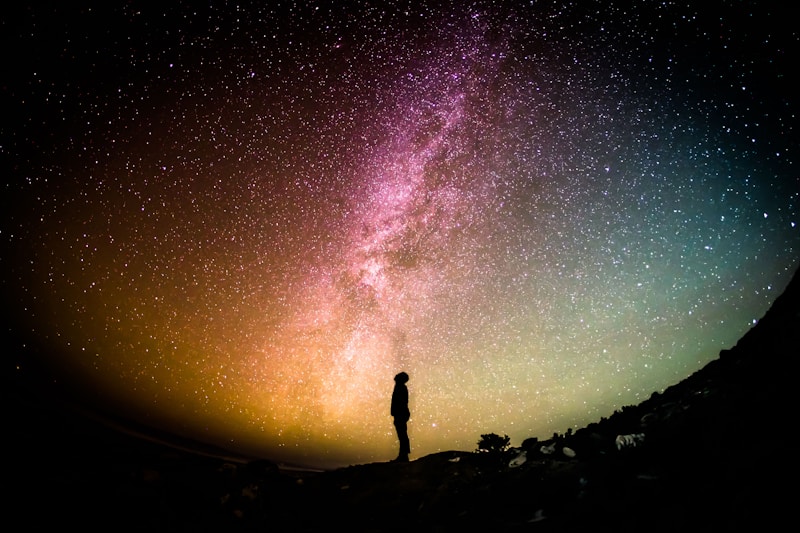
Astrophotography 101: Capturing the Night Sky
Have you ever wanted to capture the beauty of the night sky? Astrophotography might seem intimidating, but with the right knowledge and some practice, anyone can take stunning photos of the cosmos.
Getting Started
Camera Requirements
You don’t need the most expensive gear to start. Here’s what you’ll need:
- A camera with manual mode - DSLRs and mirrorless cameras work best
- A sturdy tripod - Essential for long exposures
- A wide-angle lens - f/2.8 or faster is ideal
- A remote shutter release - Prevents camera shake
The 500 Rule
To avoid star trails in your images, use the 500 rule:
Maximum exposure time = 500 / focal length
For example, with a 24mm lens: 500 / 24 = ~20 seconds maximum exposure.
Camera Settings for Beginners
Here’s a starting point for your first shots:
| Setting | Value |
|---|---|
| Mode | Manual (M) |
| ISO | 1600-3200 |
| Aperture | f/2.8 (or widest available) |
| Shutter | 15-25 seconds |
| Focus | Manual, set to infinity |
Processing Your Images
Raw images straight from the camera often look underwhelming. Post-processing is where the magic happens:
- Shoot in RAW - Gives you more data to work with
- Stack multiple images - Software like DeepSkyStacker can reduce noise
- Adjust levels and curves - Bring out the details in the Milky Way
- Reduce noise - Use Lightroom or similar software
Common Mistakes to Avoid
- ❌ Forgetting to check the moon phase
- ❌ Not letting your eyes (and camera) adapt to darkness
- ❌ Ignoring weather forecasts
- ❌ Giving up after one attempt
Join Our Astrophotography Workshops
AstroClub hosts monthly astrophotography sessions where you can learn from experienced photographers and get hands-on practice. Check our events page for the next workshop!
Keep shooting for the stars! 📸✨